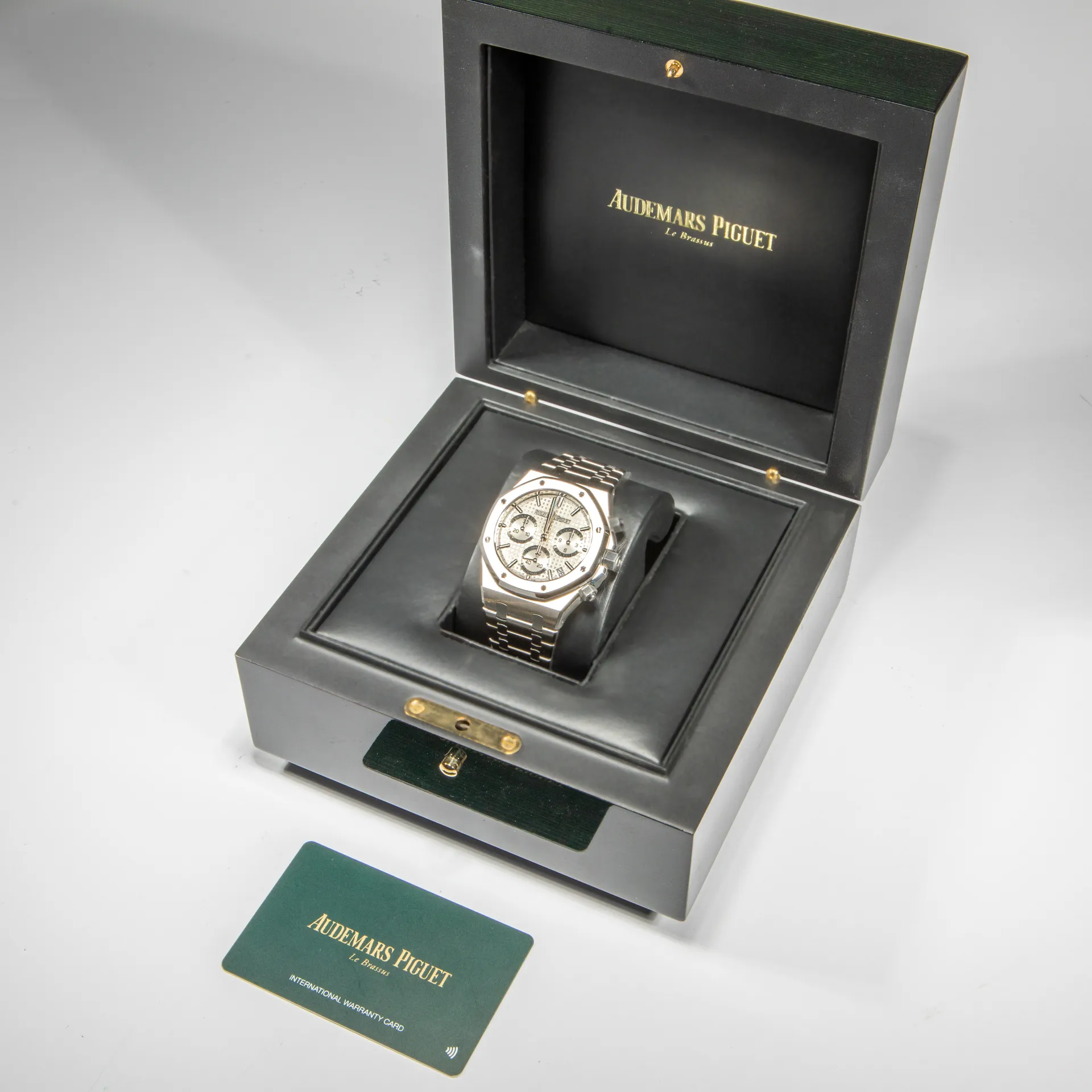
We will not hide that Audemars Piguet is one of our most beloved brands and we always approach with reverence and unconcealed excitement every one of its offerings that reaches us.
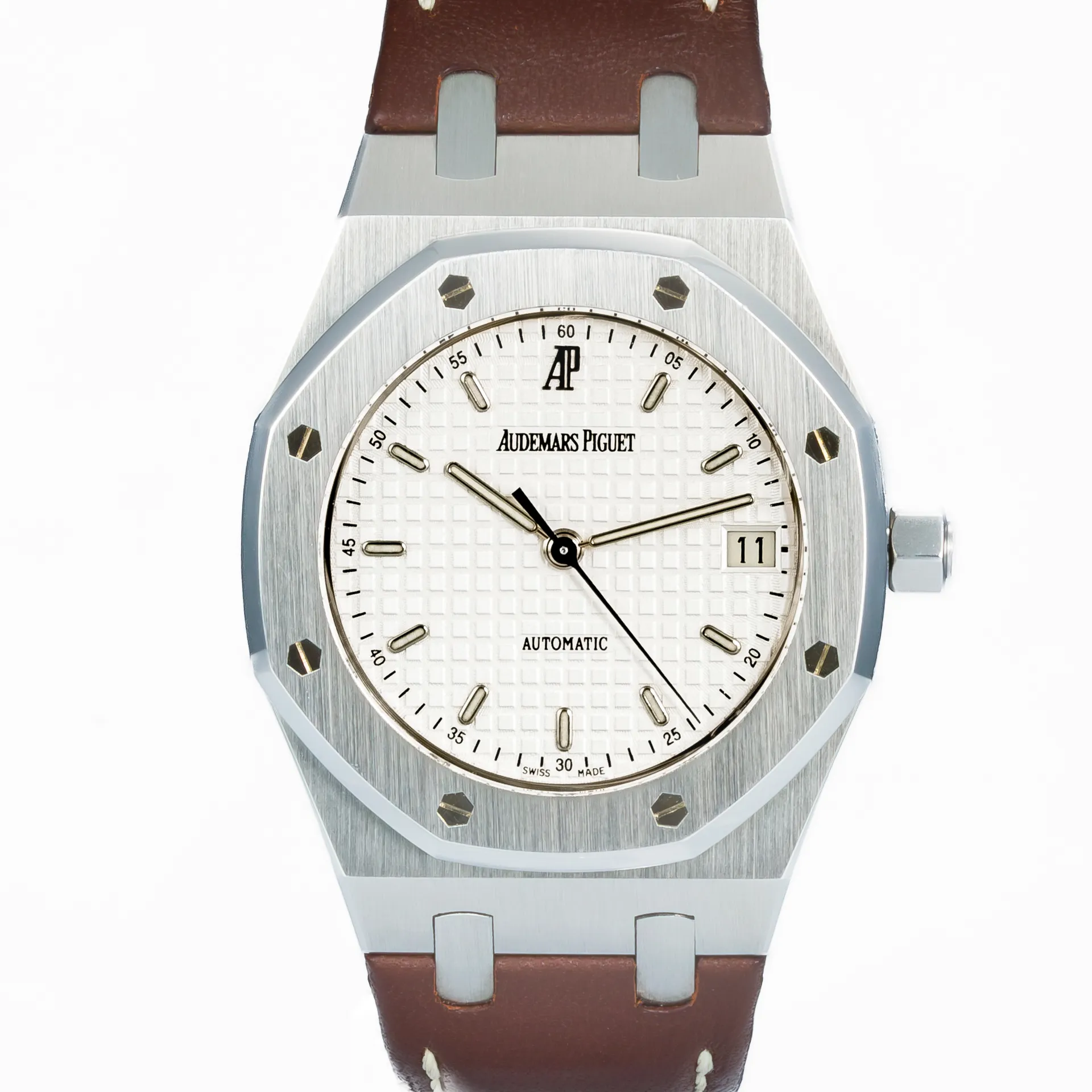
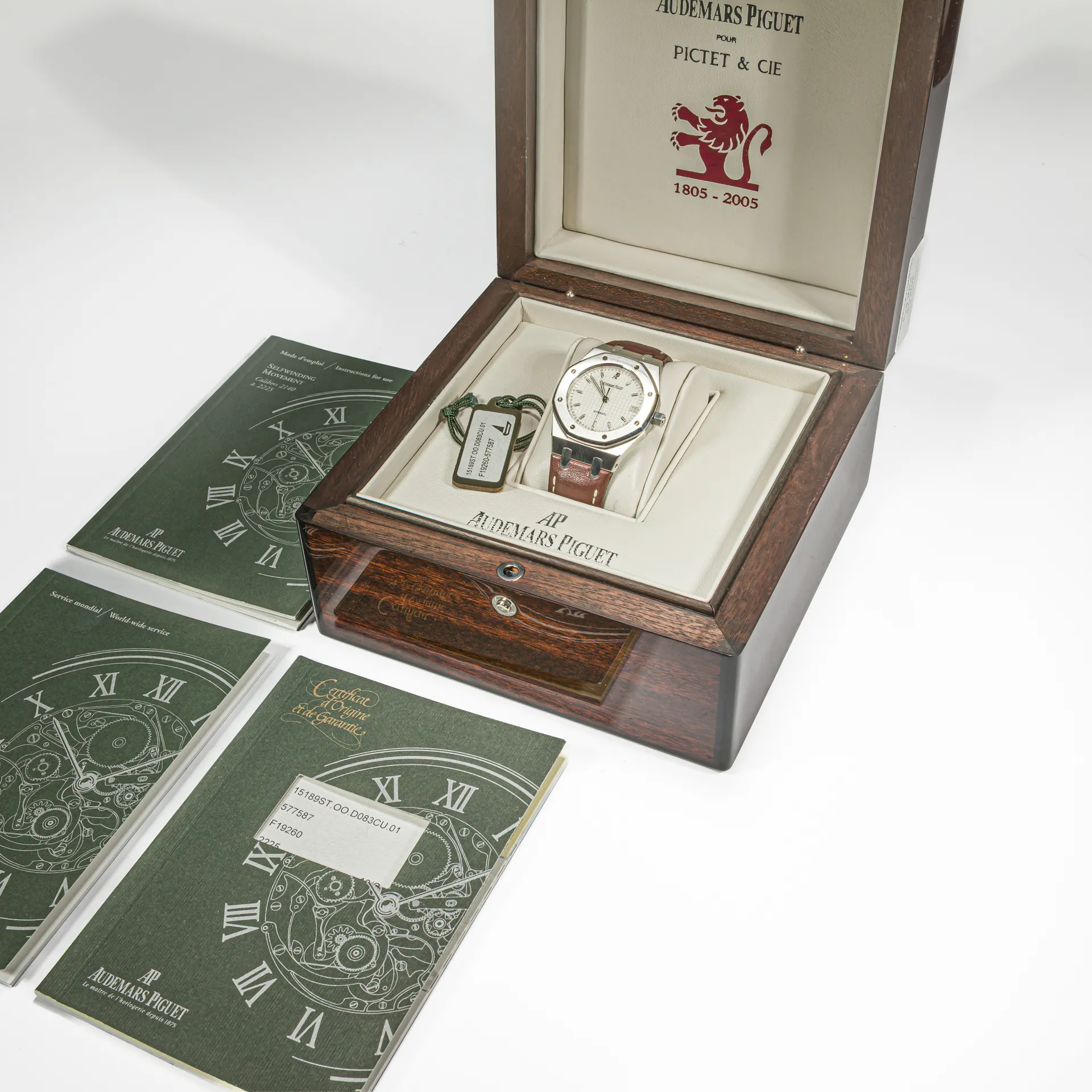
For us, and probably for many other horology enthusiasts, it is the Royal Oak that is the most iconic model of Audemars Piguet — and the reasons for this are countless. Created in the early 70s by the legendary designer Gérald Genta, the series has undergone numerous interpretations over the decades, but several of its core characteristics remain unchanged: the octagonal bezel with eight visible screws, the dial with its characteristic "Tapisserie" pattern, the integrated design of the case and bracelet, and, of course, the unmistakable silhouette.
In 1993, Audemars Piguet introduced the Royal Oak Offshore — a more massive, sportier, and significantly bolder interpretation of the original Royal Oak. With its impressive for the time 42-millimeter case, the model preceded the trend towards larger watches by more than a decade and subsequently became one of the symbols of that era.
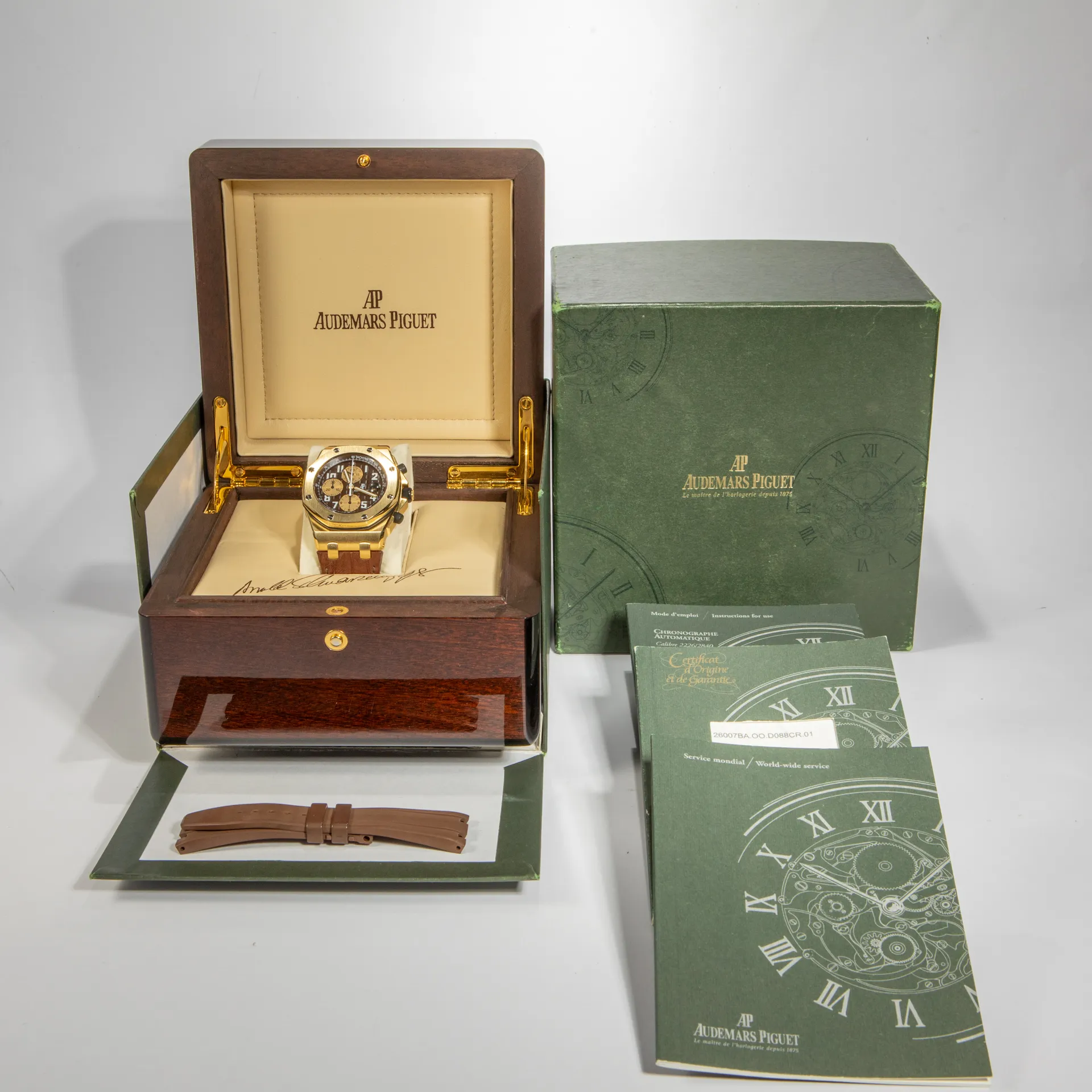
In the middle of the first decade of the new century, the collection received a new impetus with the appearance of a series of themed 42-millimeter chronographs. Thanks to their distinctive color combinations and materials, many of them received what would later become cult nicknames — "Panda", "Safari", "Navy", "Silver Themes", and "Black Themes".
Each of these models possesses its own character, while at the same time preserving the main design hallmarks of the Royal Oak Offshore — the massive case, the octagonal bezel, the large pushers and crown guards, the "Méga Tapisserie" dial, and the characteristic layout of the chronograph counters.
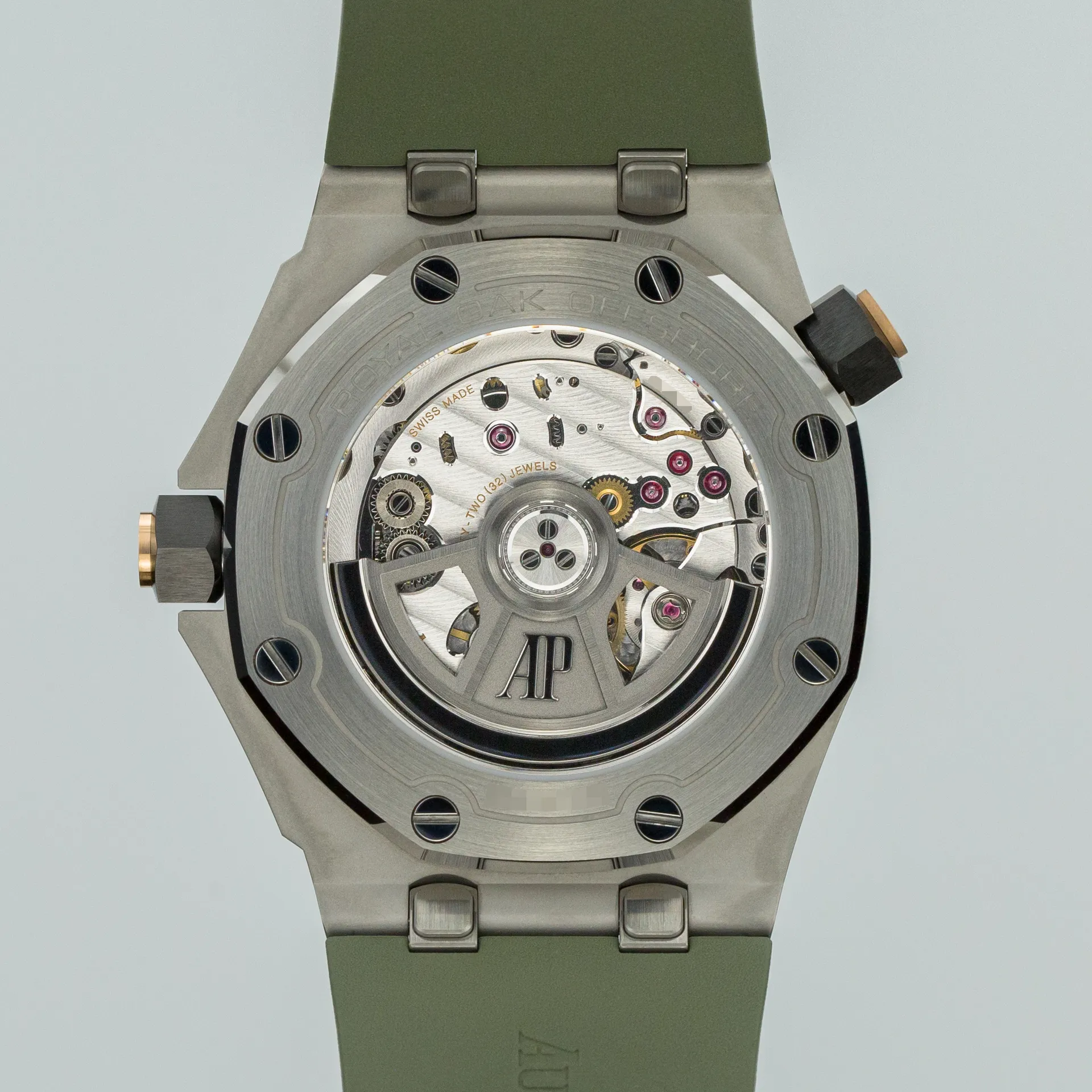
In 2014, Audemars Piguet introduced a significantly updated generation of the 42-millimeter Royal Oak Offshore. The new models received redesigned ceramic pushers and a screw-down crown, more modern guards, and a transparent sapphire case back, through which the automatic movement can be observed.
Then, the brand once again gave free rein to its imagination. Alongside the updated interpretations of already familiar models, versions such as "Elephant", "Havana", "Vampire", and the new generation "Navy" appeared. Variety gradually became one of the main characteristics of the series, and Audemars Piguet continued to experiment with different colors, straps, and contemporary materials.
The history of the movements used in the Royal Oak Offshore Chronograph is just as interesting. The first model from 1993 was equipped with the automatic caliber 2126/2840. Its base was manufactured by Jaeger-LeCoultre, while the additional chronograph module was developed by the specialized company Dubois Dépraz.
Over the years, the movement underwent a series of technical improvements, and its successors, 2226/2840 and 2326/2840, appeared. These calibers are part of the same mechanical family but include various structural and technical modifications.
Gradually, Audemars Piguet began to replace the Jaeger-LeCoultre base movement with its in-house developed and produced caliber 3126. It was again combined with a modular chronograph mechanism from Dubois Dépraz, designated as 3840. Thus, the caliber 3126/3840 appeared, used in a large portion of the next-generation 42-millimeter Offshore chronographs.
In the themed steel models, the transition to the new movement can also be traced through the change in the main reference number — from 26020ST in the earlier versions to 26170ST in many of the updated models.
The caliber 3126/3840 operates at a frequency of 21,600 vibrations per hour, has 54 jewels, and consists of a total of 425 components. The power reserve is approximately 50 hours. The automatic base is developed and produced by Audemars Piguet, while the chronograph function is carried out by the additional module from Dubois Dépraz.
The movement is equipped with a 22-karat gold rotor and bears the decorative finishing characteristic of Audemars Piguet. Thanks to the sapphire case back on the newer generation, the owner can observe not only its operation but also the level of finishing that is expected from one of the most prestigious Swiss manufactures.
The caliber 3126/3840 remained the main movement for a large portion of the Royal Oak Offshore chronographs until 2021, when Audemars Piguet introduced the new generation of models with fully integrated in-house chronograph calibers.