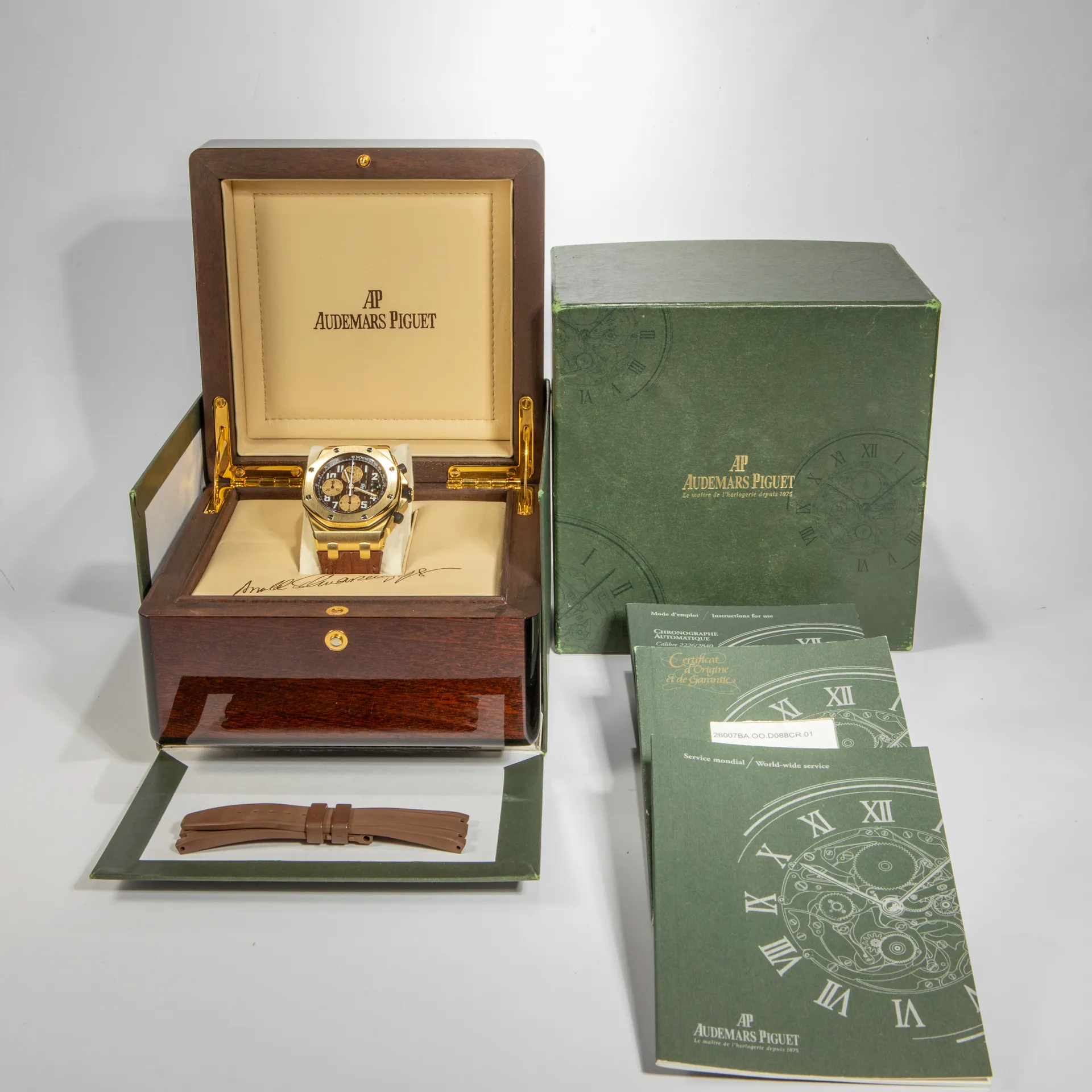
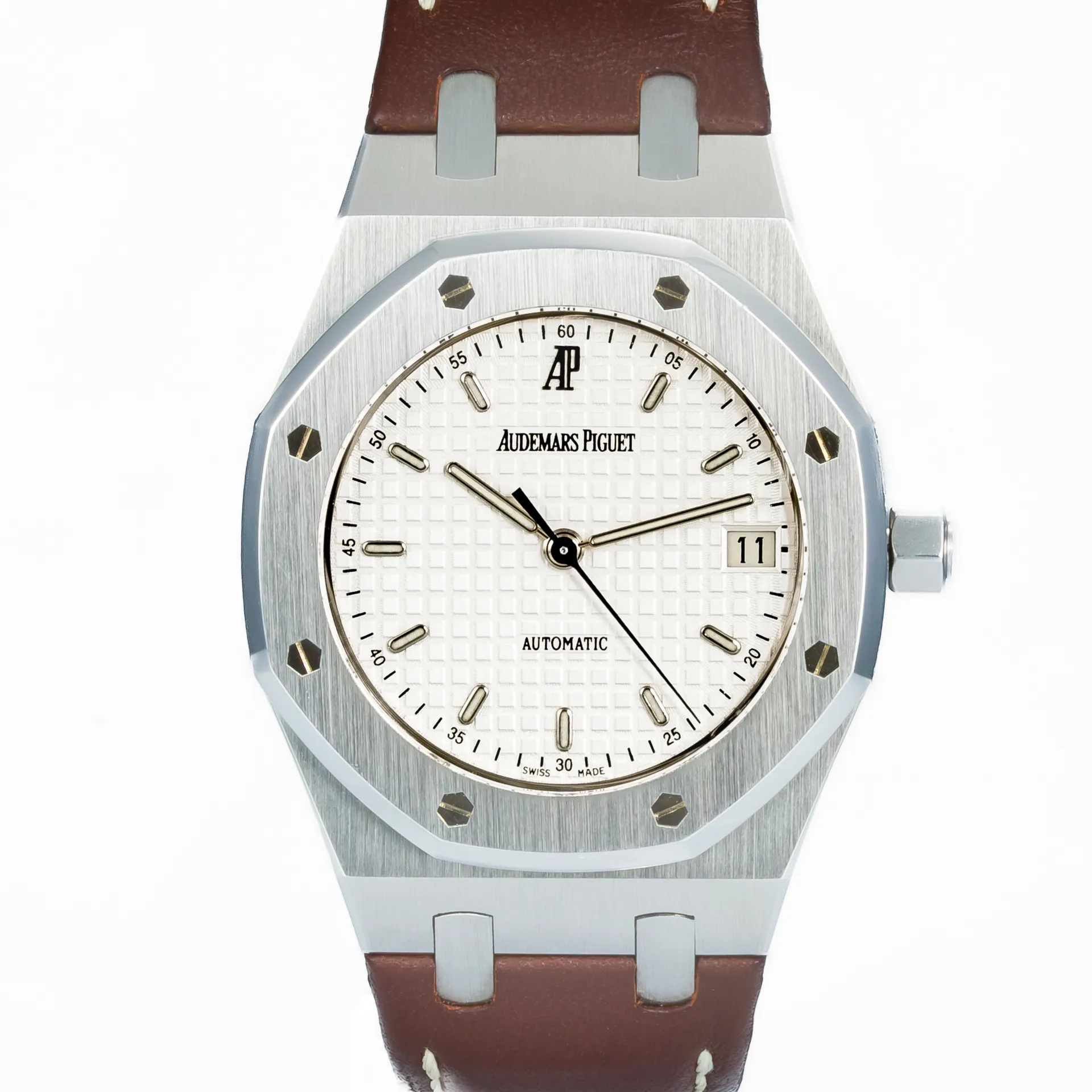
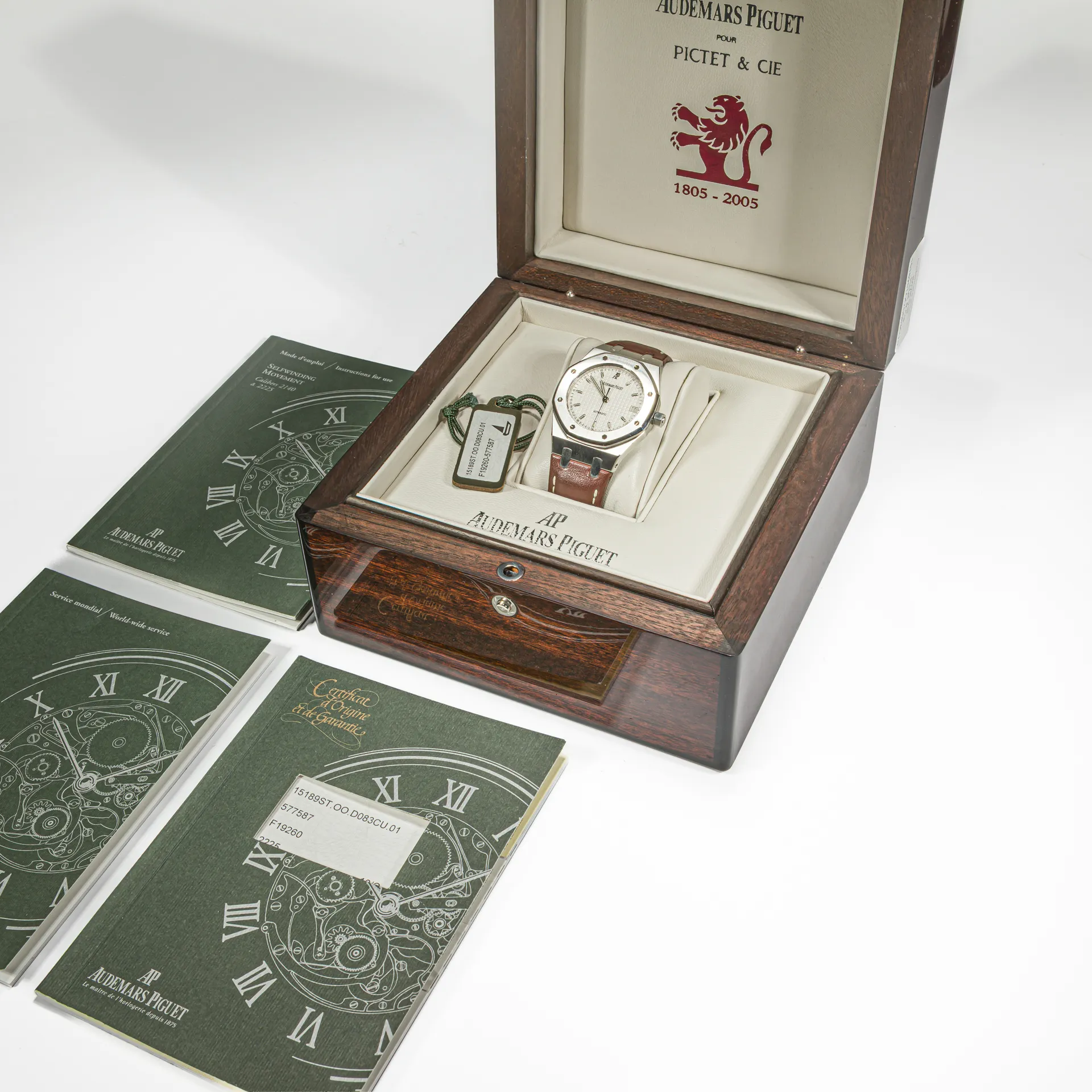
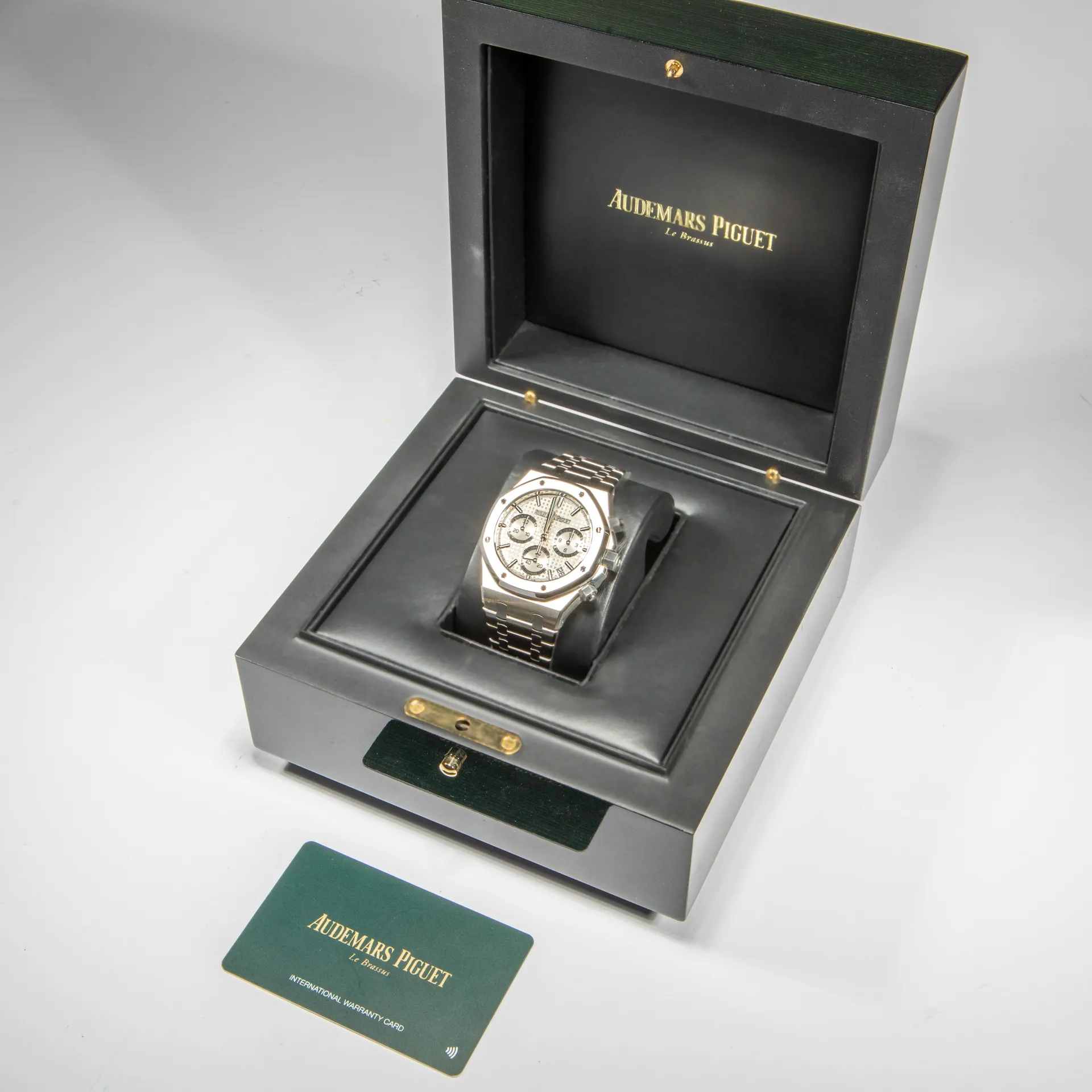
For us (and probably for many others), the Royal Oak is undoubtedly the most iconic model from Audemars Piguet, and the reasons for this are countless. Having begun its journey in the 1970s, thanks to the masterful hand of Gérald Genta, this collection has undergone numerous changes, yet several features have remained unchanged – the octagonal bezel, the distinctive "waffle" dial, the design of the lugs, and so on.
The main reason we write relatively rarely about this model is actually that most of the Royal Oak Chronographs (and not only the chronographs) we have managed to source have sold extremely quickly, often before we even had the opportunity to list them – believe us, there are good reasons for that...
But... let's start with a few facts – the first Audemars Piguet Royal Oak Chronograph was introduced as late as 1997, in a 39 mm version. Fifteen years later, in 2012, the 41 mm version of the model was presented for the first time and, as you might imagine, it immediately became highly appreciated and sought after. There are several reasons for this – firstly, despite its larger dimensions, the new version achieved more balanced proportions and greater wearing comfort; secondly, the larger size was more in line with the growing preference for bigger watches. Initially, two main stainless steel versions were introduced – with black and silver dials. Five years later, new dial variations featuring contrasting chronograph counters, the so-called "Panda" and "Reverse Panda", were launched with black, silver, and blue as their primary colours. These received a new reference number, although the differences compared to the version presented today are predominantly cosmetic, mainly concerning the design and proportions of the dials. This particular watch features a silver-toned dial with the brand's signature "Grande Tapisserie" pattern.
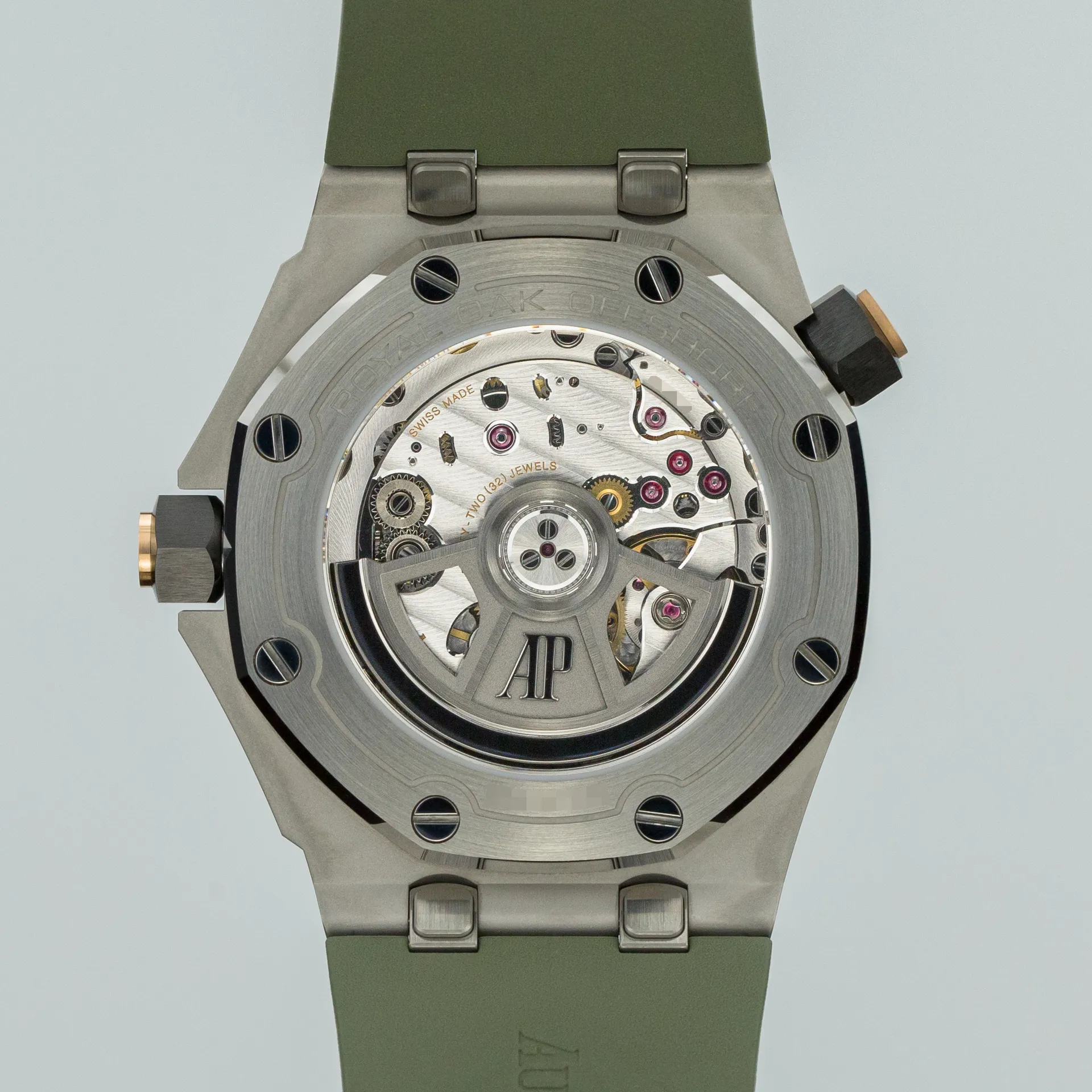
As most of you probably know, unlike the AP calibre 3126/3840 found in the Offshore chronographs – based on the in-house calibre 3120 with a chronograph module supplied by Dubois Dépraz – the Royal Oak Chronographs received something rather different, to say the least – the AP Calibre 2385, based on the Frédéric Piguet 1185. This is an integrated automatic chronograph movement featuring a column wheel, 37 jewels, a 40-hour power reserve, and a frequency of 21,600 vibrations per hour. To further emphasise the noble origins of the movement, its oscillating weight is crafted from 18-carat gold. A thoroughly proven and reliable movement which, under different names and in various modifications, has found its way into numerous prestigious Swiss timepieces, including models from brands belonging to the so-called Holy Trinity.