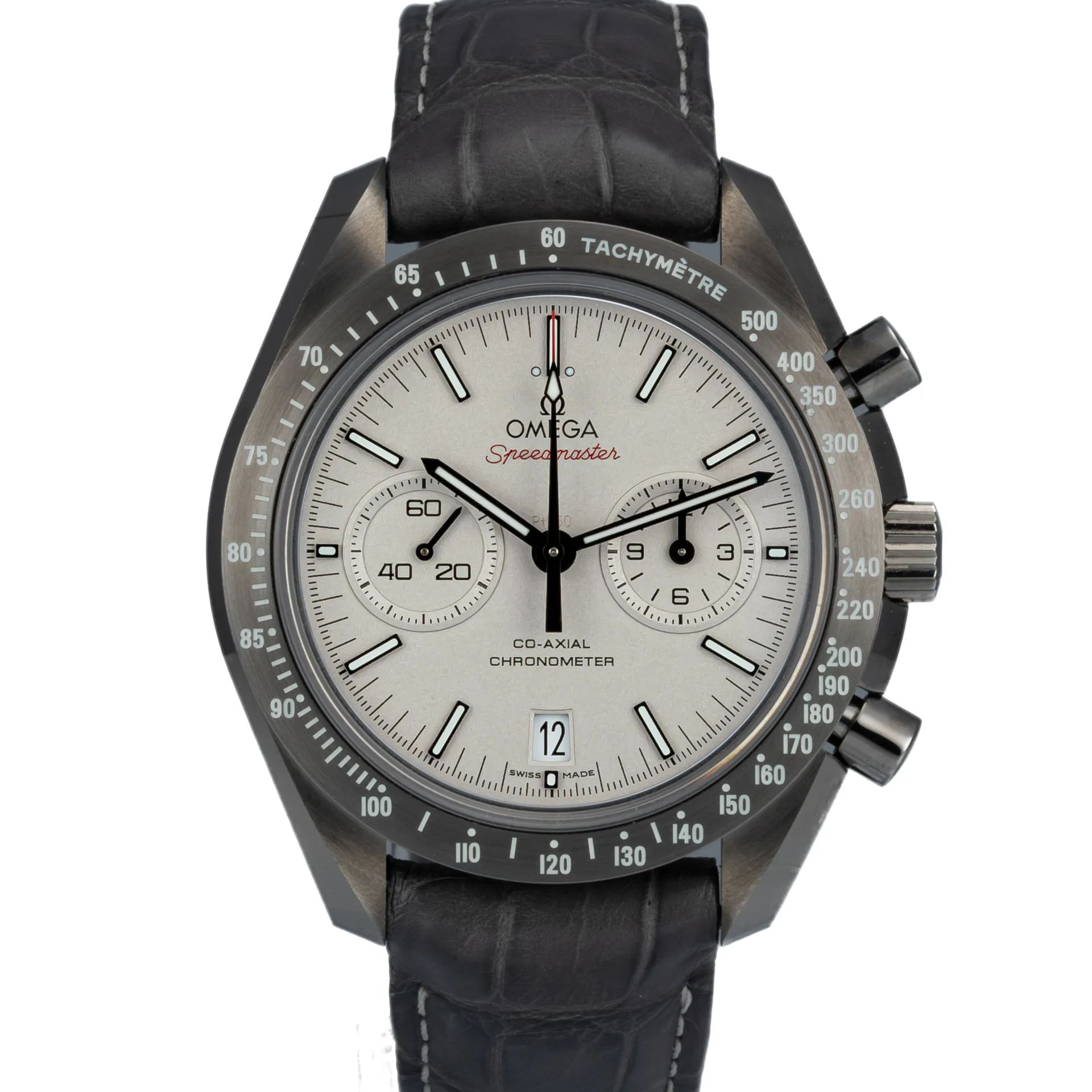
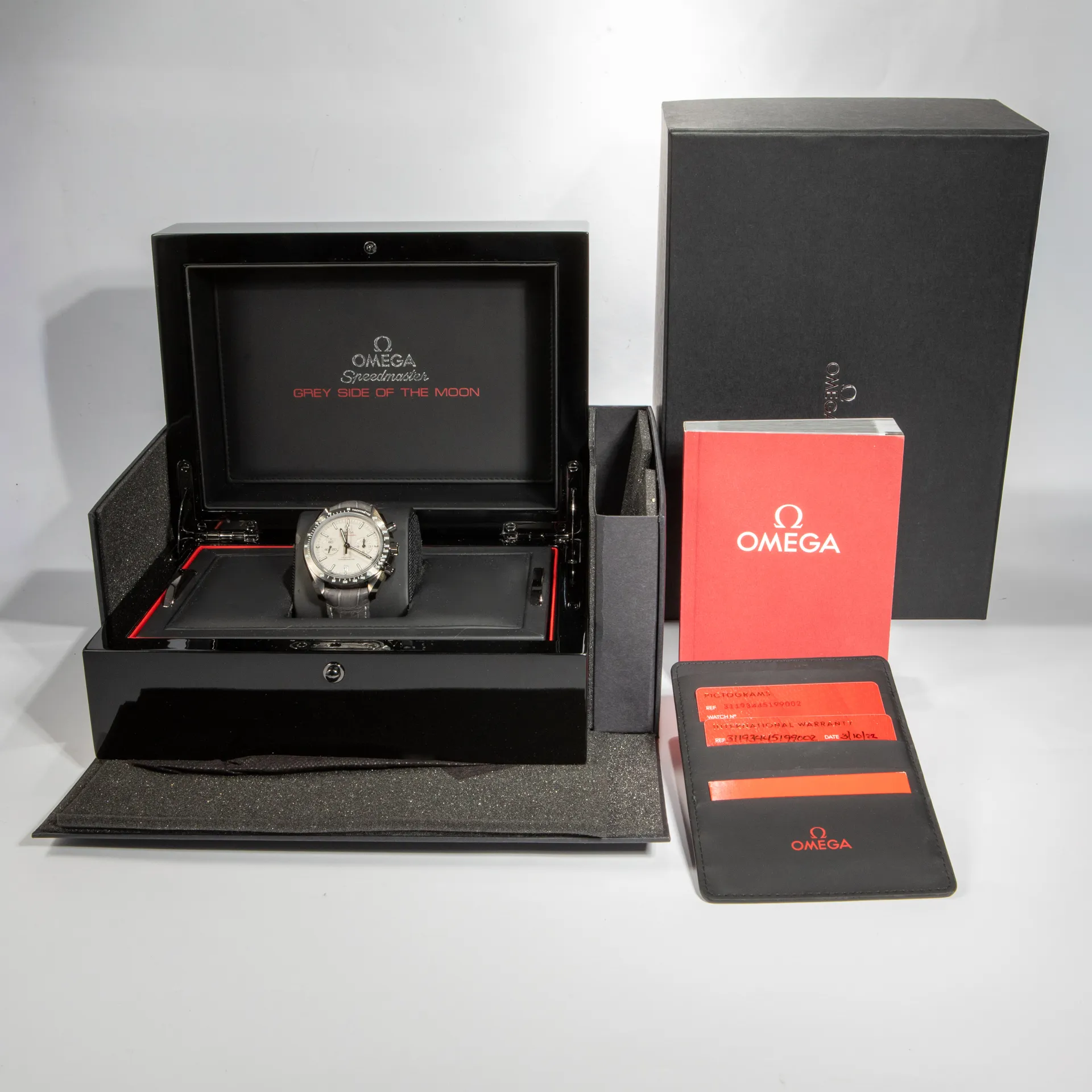
Undoubtedly, the Speedmaster is the model that has largely shaped Omega into the brand it has been over the past several decades, and for this very reason it is the first watch that comes to mind for almost every enthusiast when the name Omega is mentioned.
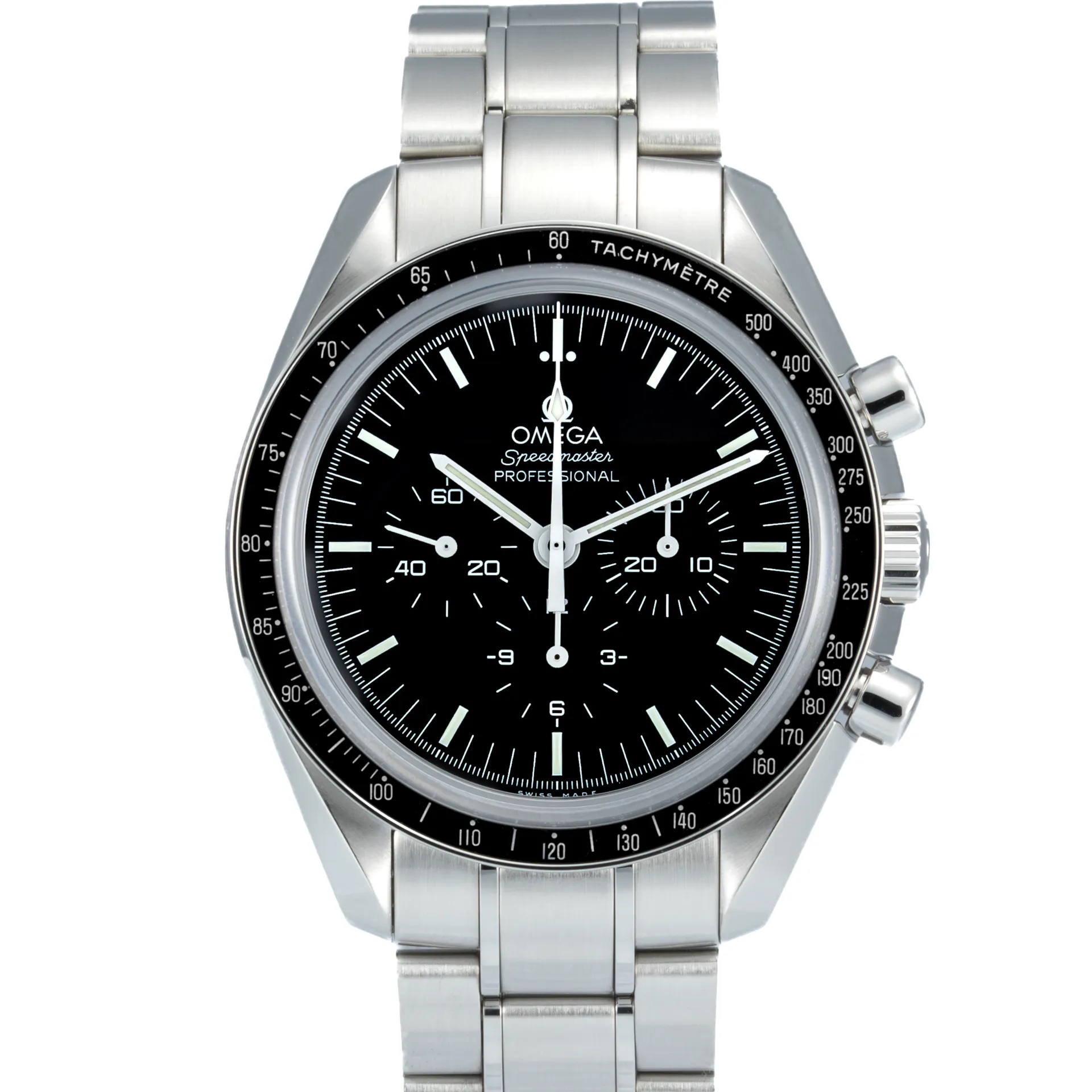
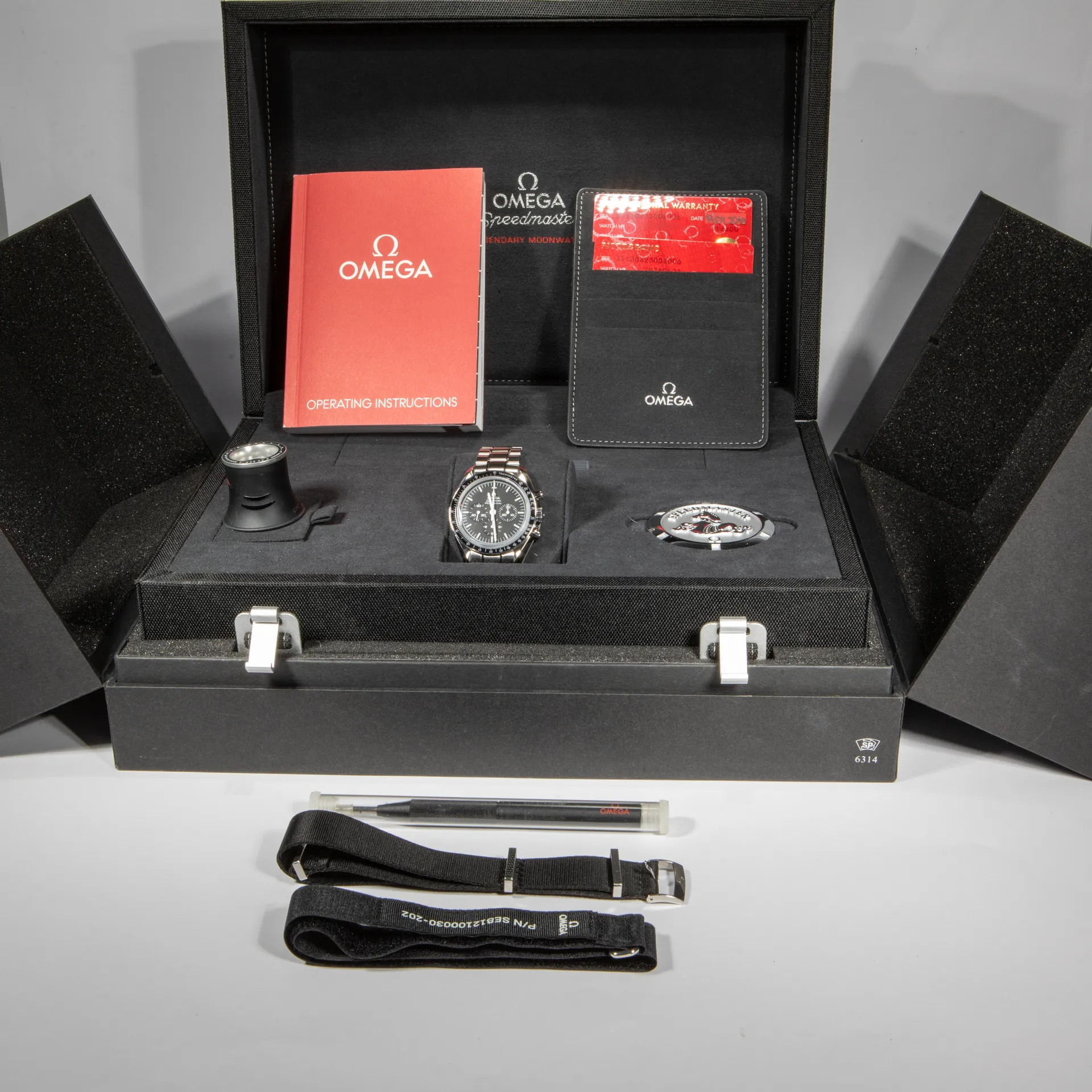
Today we have the pleasure of presenting a new interpretation of that famous Omega watch to which the brand owes so much of its popularity – the Omega Speedmaster Moonwatch Professional Co-Axial Master Chronometer 42 mm. This is the contemporary version of the legend, in which the manufacturer has managed to modernise the model without making the changes intrusive or compromising its classic appearance.
The model has been available since the beginning of 2021 and is the so-called “Sapphire Sandwich” – featuring a sapphire crystal, a transparent caseback also made of sapphire, but still powered by a manually wound movement descended from the renowned Lemania. We are sure that for most of us, the words “Omega Speedmaster” immediately bring to mind precisely this design, and for this reason the manufacturer has made every effort not to disappoint the brand's enthusiasts, keeping the external appearance as close as possible to the historical models.
We will try to draw your attention to the differences between the new and previous models – in our opinion, this is the best way to demonstrate its evolution.
The new dial layout is similar to that of the previous model, but the latest version has been given an additional vintage character – most noticeably in the distinctive step between the central part of the dial and the outer ring with the minute markers. This is the so-called “Step Dial” – a reference to the early generations of the Speedmaster, where this feature formed part of the original design.
In addition, we get a revised design of the minute markers, adapted to the frequency of the new movement, as well as an applied metal Omega logo – a feature specific to the sapphire crystal version. On the Hesalite version, the logo remains printed. Seemingly minor differences at first glance, but it is precisely such details that make the new generation so interesting to those familiar with the model.
The bezel is the next element to have changed – it retains the classic black aluminium insert with a tachymeter scale, but now incorporates the historically correct “Dot Over Ninety” (DON) detail, where the dot at the “90” marker is positioned above the number rather than beside it. This is a direct reference to the original design from before the 1970s and one of the details most appreciated by true Speedmaster enthusiasts.
The case of the new model is also slimmer – this particular sapphire version measures just 13.18 mm in thickness, while retaining the classic 42 mm diameter and the characteristic asymmetrical shape with protection for the crown and chronograph pushers. Some might say that the difference compared with the previous generation is almost unnoticeable, but we can assure you that this watch feels exceptionally comfortable on the wrist, and perhaps its more compact proportions are one of the reasons for that.
The sapphire crystal also deserves special attention – unlike the classic Hesalite, it offers much greater scratch resistance and an anti-reflective coating on its inner surface. Meanwhile, the transparent caseback allows the movement to be admired, which in our opinion is a major advantage in a watch with such interesting mechanics and historical heritage.
And, of course, the movement – the Omega Calibre 3861 used in this watch is the brand's latest interpretation of the legendary architecture originating from the Lemania 1873. A mechanical movement with manual winding, 26 jewels, a 50-hour power reserve and an operating frequency of 21,600 vibrations per hour.
Unlike the Calibre 1861/1863 used in the previous generation of the Moonwatch, this movement now features a Co-Axial escapement, a silicon balance spring and a stop-seconds function for precise time setting. Thanks to its numerous improvements and innovations, it has also earned the prestigious Master Chronometer certification, awarded according to the requirements of METAS.
This means not only exceptionally high accuracy, but also resistance to magnetic fields of up to an impressive 15,000 gauss – an achievement that places the movement on an entirely different technological level compared with its predecessors. And all of this without abandoning the traditional manually wound construction, which for many enthusiasts is an inseparable part of the Moonwatch's authentic character.
The rhodium-plated finish of the movement gives it a luxurious appearance, while the decorative finishing with Omega's characteristic arabesque-style Geneva waves and engravings elevates its visual presentation to an entirely new level. Thanks to the transparent caseback, we can admire all these details – something that remains hidden from view in the classic versions with solid casebacks.
This particular reference is equipped with a black leather strap and a stainless steel folding clasp – a combination that, in our opinion, further emphasises the watch's elegant character. Compared with the metal bracelet, the leather strap gives the Speedmaster a slightly cleaner and more classic appearance, without taking anything away from its sporty personality.
Truly an exceptionally successful interpretation of perhaps the most famous chronograph in the history of watchmaking. Omega have managed to do something that may seem very easy at first glance, but is actually extremely difficult – to improve almost every aspect of a legendary model without changing the very reasons why it became a legend.