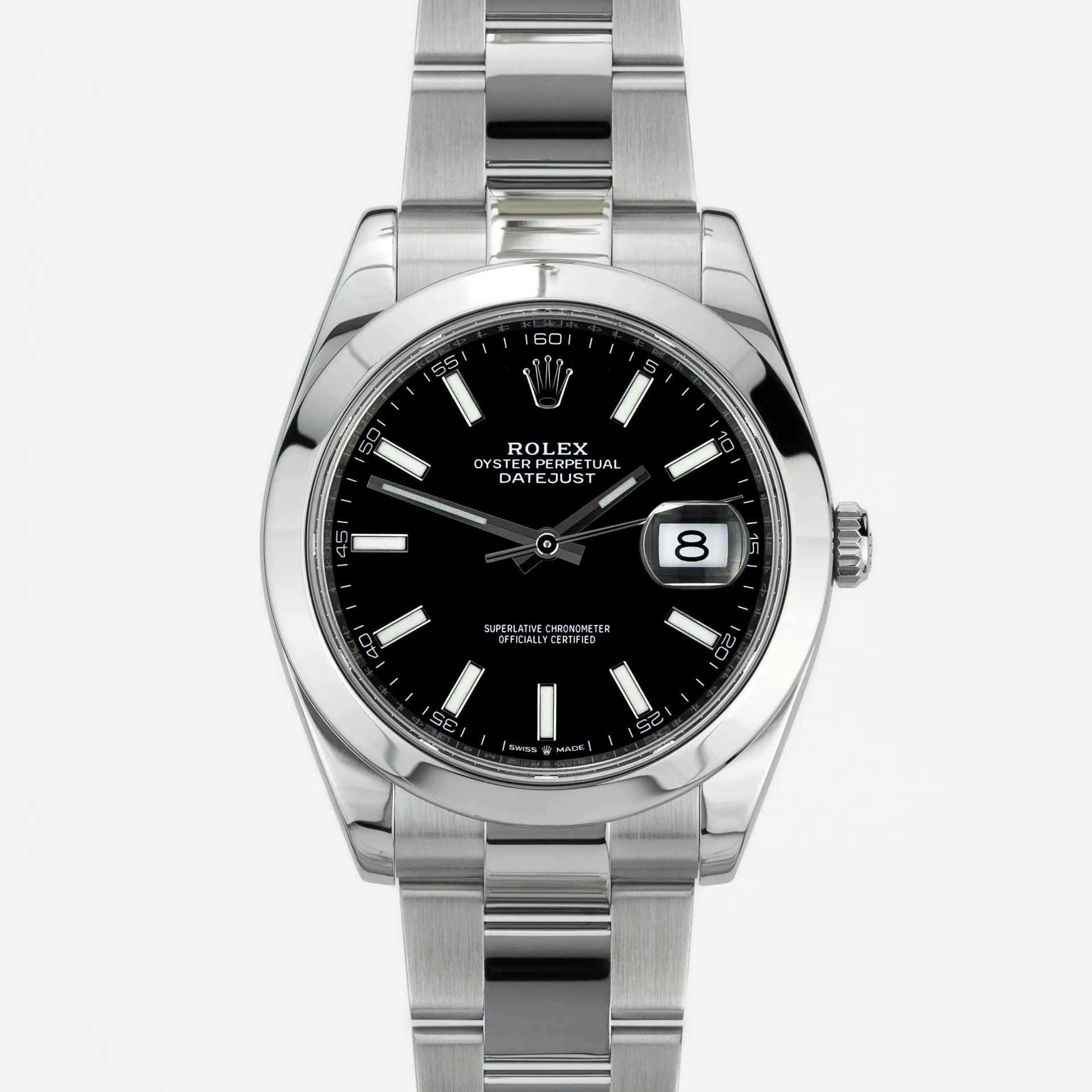
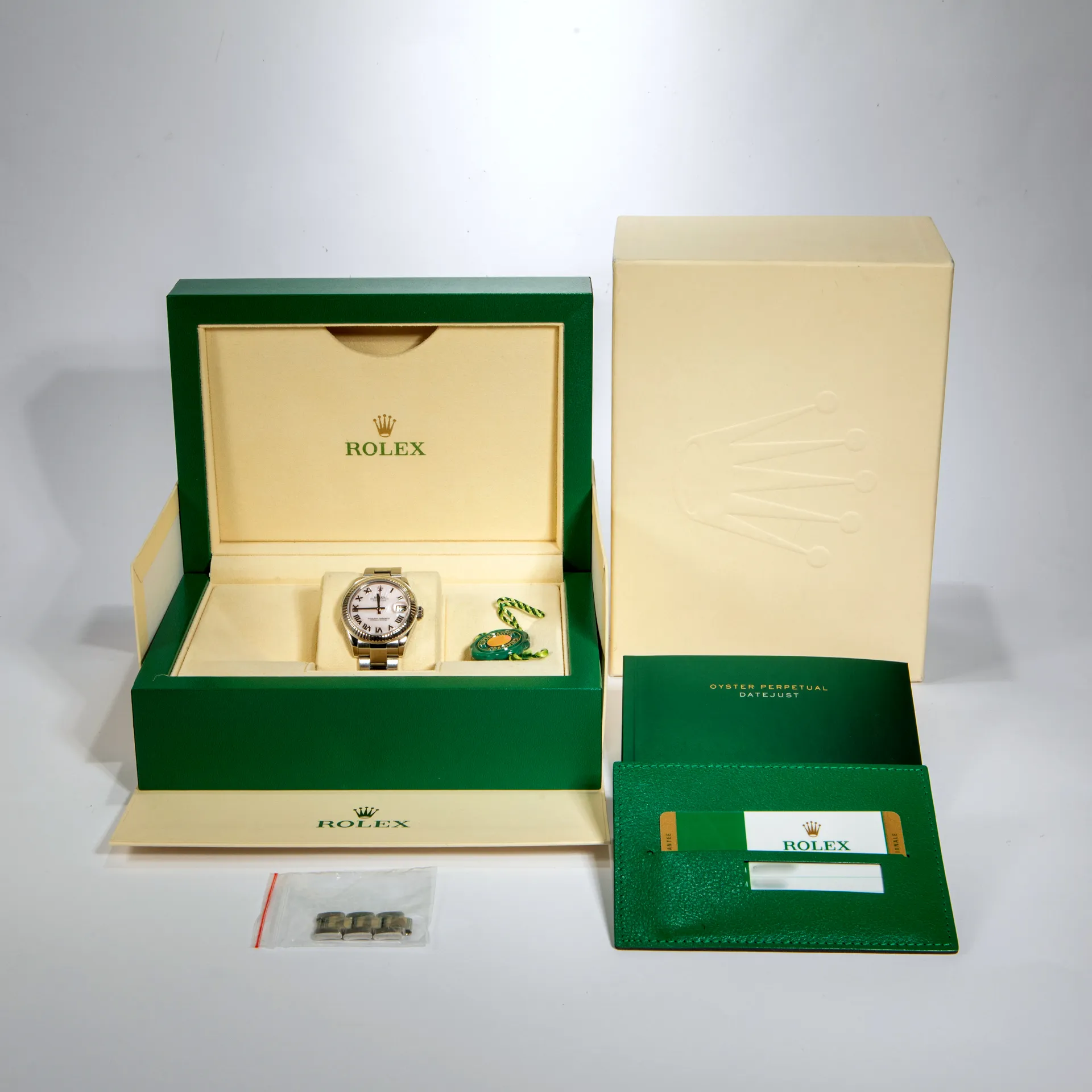
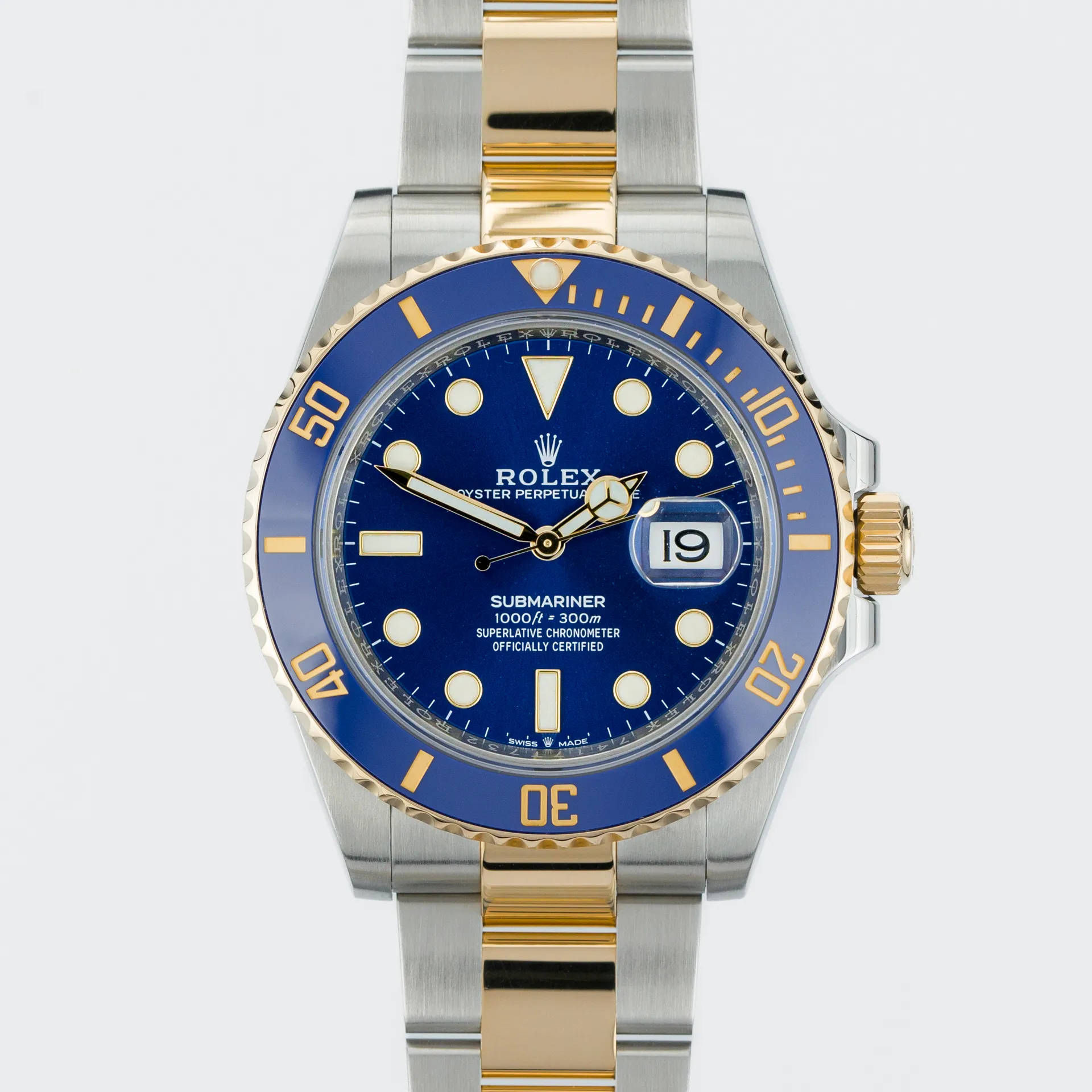
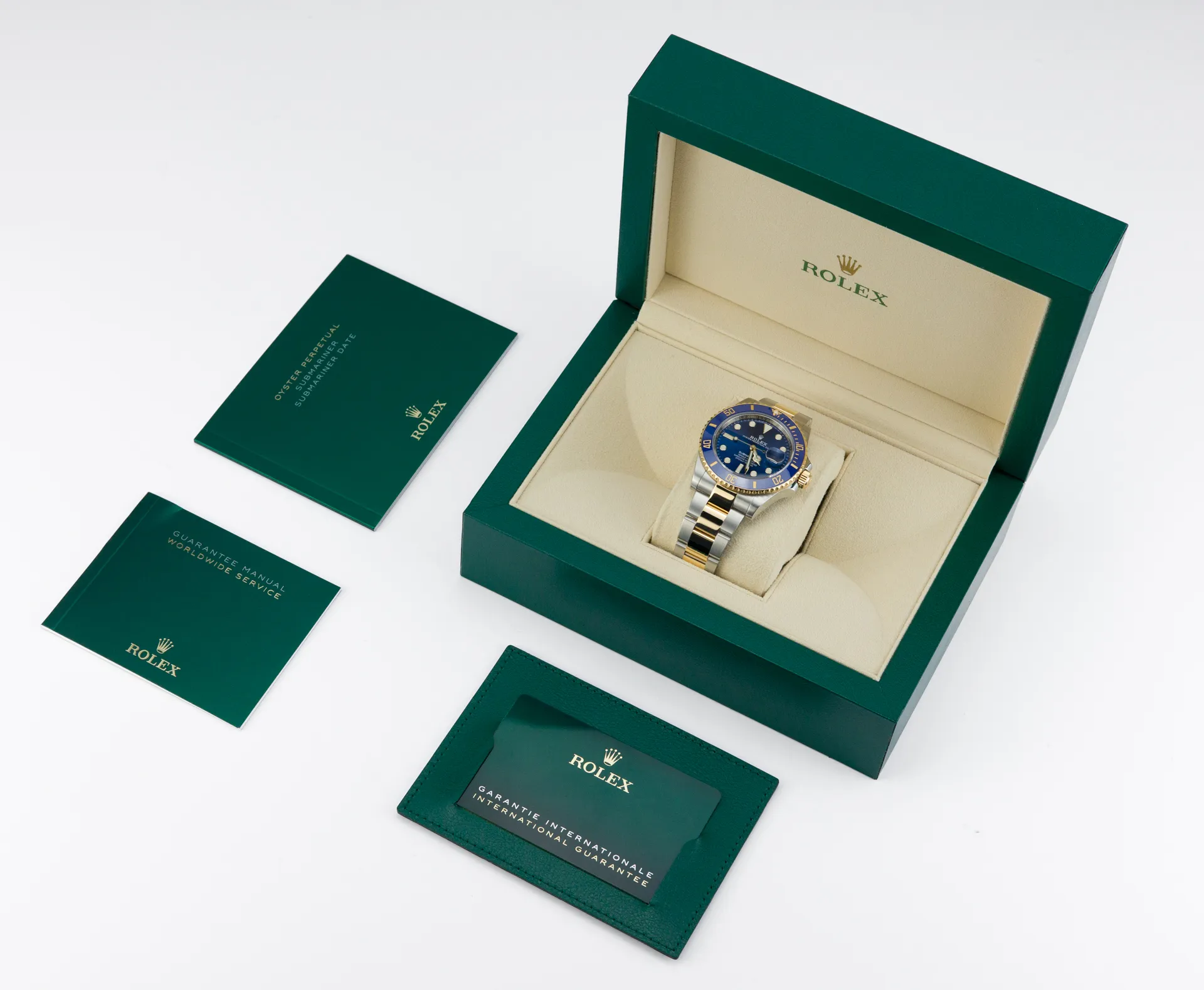
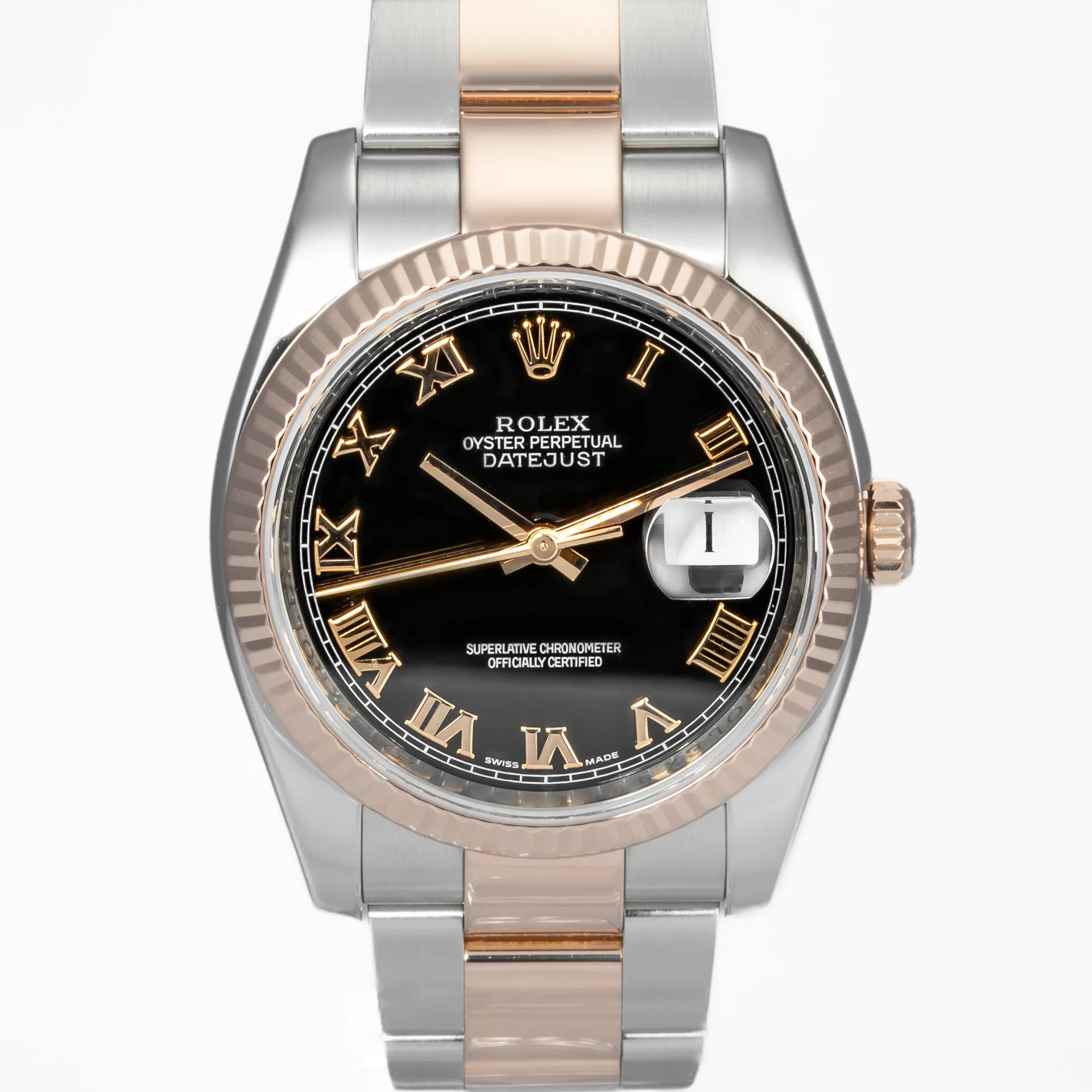
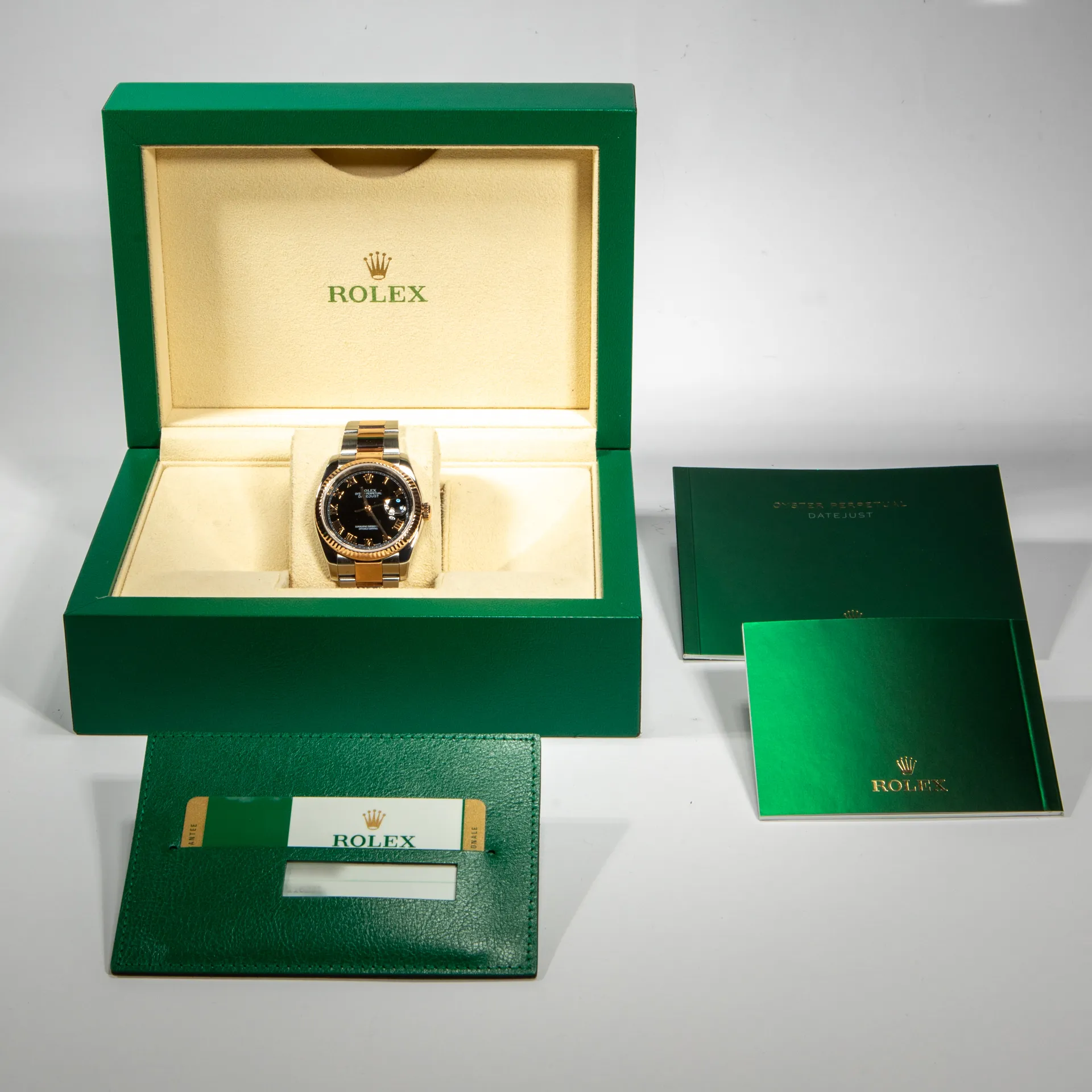
When the first Rolex Datejust was introduced in 1945 – the year of the brand's 40th anniversary, it made history as the first automatic, water-resistant, certified chronometer with a date on the dial. The "Cyclops" was added in 1955 to magnify the date display two and a half times, thus making the reading more legible and clear. This feature became one of the most recognizable Rolex features of all.
In 2009, Rolex introduced the Rolex Datejust II. This line of timepieces offers the characteristics of the original and iconic Rolex Datejust in a more streamlined and modern design and includes new innovations. One of the most significant differences between the Rolex Datejust and the Rolex Datejust II is, of course, the size – the new model is 41 mm, considerably larger and follows the trend towards larger cases. The other essential difference is the movement – the Datejust II has the honor of carrying the caliber 3136, created by the brand specifically for this model – an in-house movement with Paraflex shock absorbers, a Parachrom hairspring, a COSC-certified chronometer with a 48-hour power reserve and a frequency of 28,800 vibrations per hour.
In 2017, the brand also introduced the newest version of the model under reference number 126300. One of the biggest changes is the movement – the new caliber 3235, which offers an increased power reserve of 70 hours, a significantly improved automatic winding system (with a rotor on a ball bearing), and an increased efficiency of about 15%. The reversing wheels – one of the critical areas in terms of friction – are Teflon-coated. The new 3235 holds 14 patents and has over 90% new components, and is also twice as precise as the requirements for an official COSC chronometer.
It is no coincidence that the Datejust is the brand's most popular and recognizable model after the iconic Submariner – and the Datejust II allows this popularity to be presented in a contemporary interpretation. This particular timepiece is in a superb and relatively hard-to-find combination – a deep blue dial with hour markers.
The detail on this watch is truly impressive – as, by the way, with all modern Rolexes we have had the opportunity to handle. Starting with the dial, which at certain angles seems to disappear, creating the feeling that the hands and markers are "floating" in the air, imparting a weightless effect. The luminescent coating is the brand's characteristic Chromalight – available only on the versions with markers (not with Arabic or Roman numerals), which makes this configuration even more desirable.
Moving on to the sapphire crystal with the "Cyclops" – the highest grade of sapphire is used here, which allows the overall height of the watch to be reduced compared to its predecessors. Of course, the case and the bezel deserve separate attention – an impressive combination of brushed 904L steel with faceted, polished edges and details. As is well known, Rolex pays special attention to materials and has its own foundries for the production of its alloys.
The bezel is the so-called "smooth" one, which gives an exceptionally elegant and clean look with a distinct presence on the wrist. And, of course, the bracelet – as can be expected from Rolex, it is of a very high standard. In this case, it is an Oyster bracelet, which at this size features a solid clasp milled from a single block of steel (and not from bent sheet metal, as with most brands). The only thing that, in our opinion, might be missing is the GlideLock system from the Submariner, but the EasyLink feature is present here, allowing for quick micro-adjustment of an additional 5 mm.
The combination of this dial and this bracelet makes the watch truly impressive and distinctive on the wrist.