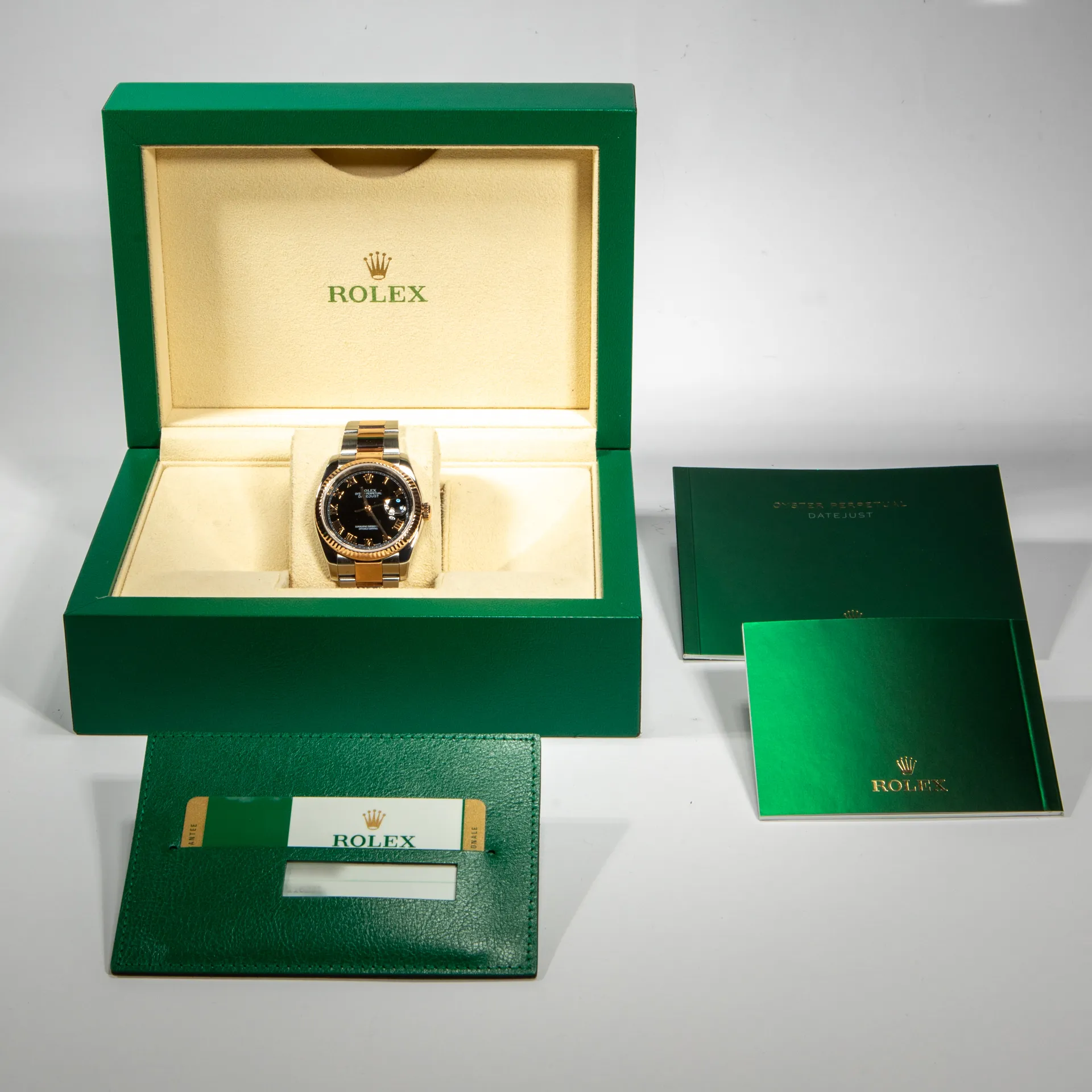
As we all know, there are watches that belong to the “Diver” category, but there are also those for which a separate category was created – the “Driver,” and the undisputed flagship of this category is precisely the Daytona. The model's original name was Cosmograph, and it received its “Daytona” nickname in the late 1960s after many years of sponsorship in motorsports and in honor of the Daytona International Speedway.
It is a known fact that Rolex is the largest manufacturer of luxury watches with an annual production of over a million, but regardless of this, the brand not only retains its value over time but also has models that are extremely difficult to purchase from an authorized dealer. The most difficult model to find is precisely the Daytona in its steel version, regardless of whether it has a white or black dial. The reason for this is not only the model's cult status but also the fact that Rolex delivers limited quantities to its dealers, which leads to long waiting lists. As a result, on the secondary market, the Daytona is often offered at around 50% above its retail price.
Undoubtedly, the Daytona has long since become a fashion accessory and a status symbol, but it incorporates specific functions that follow its original purpose – that of a true “driver.” Measuring and calculating time, average, and instantaneous speed by using the chronograph and the tachymetric scale are functions designed to assist the owner in sporting situations. The 40-millimeter Oyster case and the Triplock crown provide water resistance up to 100 m.
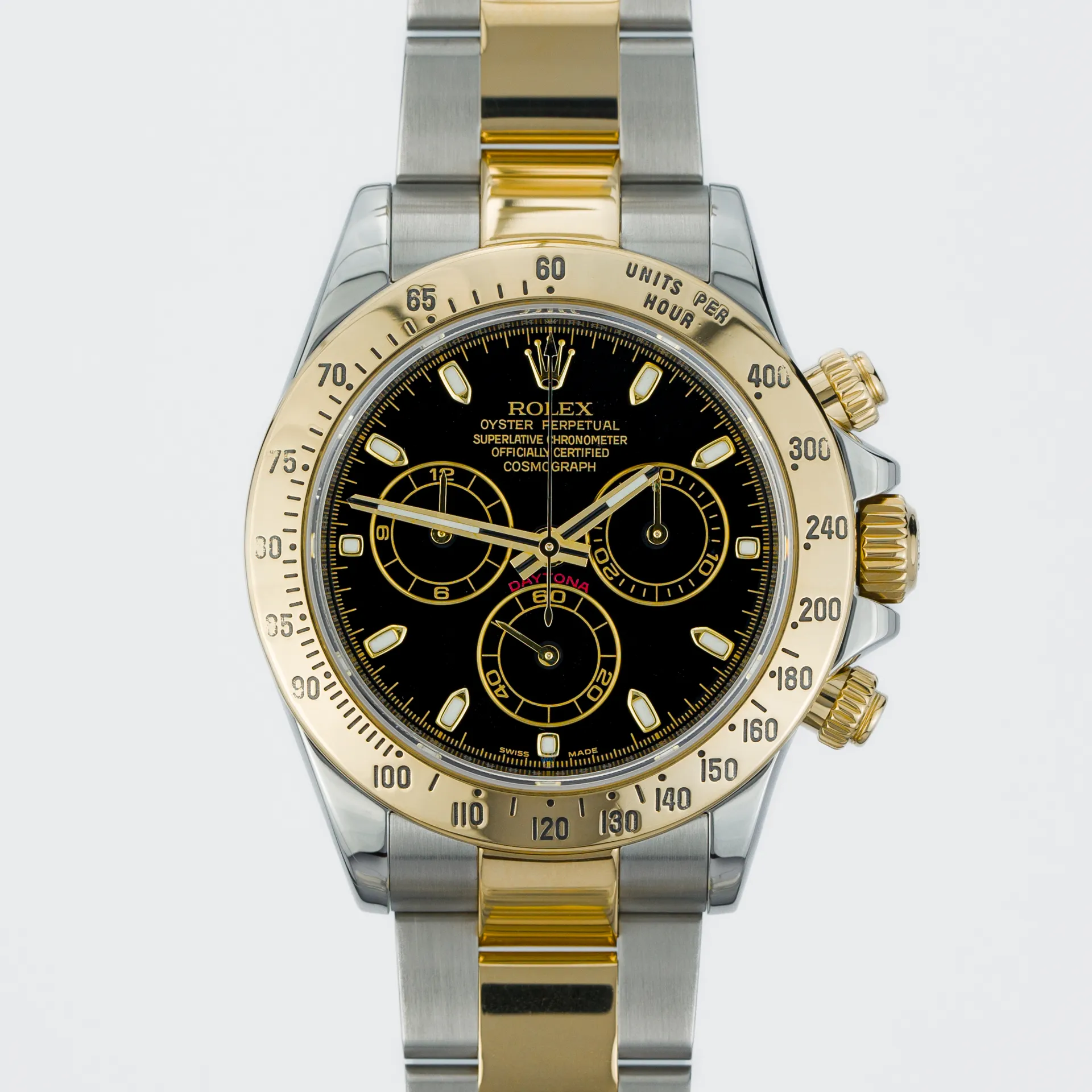
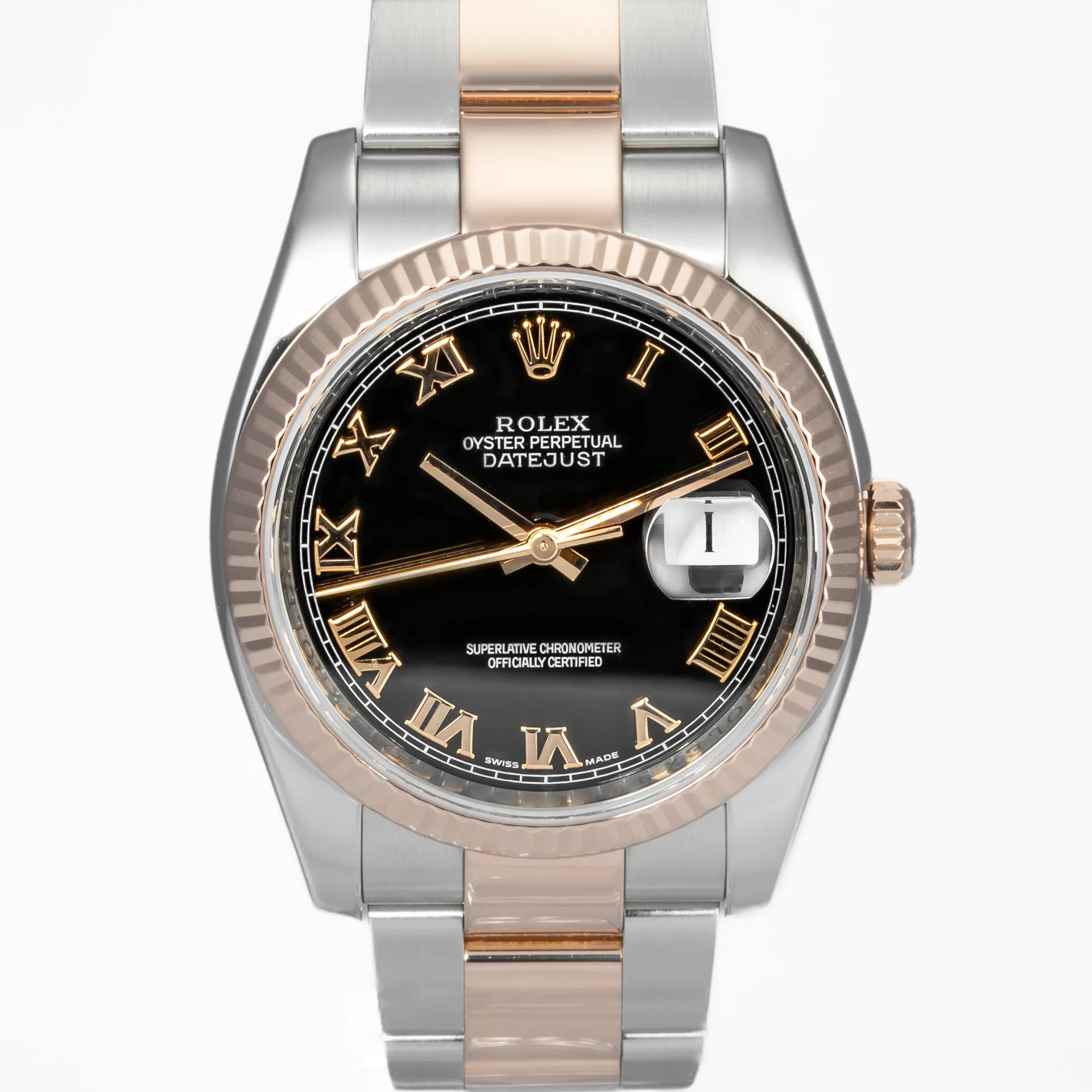
The so-called “bi-metal Daytona” is offered in various dial color combinations, but in our opinion, it is the black version with gold accents that is the most balanced and impressive.
The Daytona is neither the most expensive, the most robust, the most complex, nor the most beautiful “driver” – so why is it so desired? One of the main reasons is its in-house Caliber 4130 movement, which has a reputation for being exceptionally robust, accurate, and durable. This movement began its service in the year 2000, when it replaced the legendary Zenith El Primero, which had been used until then.
Caliber 4130 is an automatic chronograph with a column wheel, hacking function, operating at 28,800 vibrations, with 44 jewels, 201 components, and a power reserve of over 72 hours. Of course, Rolex's patented technologies are also present – the Paraflex anti-shock system and the Parachrom hairspring.
The dial is excellently balanced and easy to read despite the multitude of functions, and the luminescence in a pleasant greenish color ensures good visibility at night as well.
Although the Daytona was created as a professional instrument, today it is above all a luxury accessory. This is precisely why Rolex pays enormous attention to its appearance. The sapphire crystal (without an anti-reflective coating – a deliberate decision by the brand), as well as the use of gold elements, lend a sense of permanence and aristocracy.
The case back is solid and clean, as with all of the brand's models. Rolex uses 904L steel, known for its resistance, especially in aggressive environments. In this model, the gold elements emphasize its luxurious character and overall presence.
The overall impression is completed by the tachymetric bezel, which is used for calculating speed and other parameters related to motorsports.
For years, the Daytona was offered with the classic three-link Oyster bracelet. With this model, a new clasp was introduced, milled from a single solid piece of steel rather than from bent sheet metal – a solution that subsequently found its way into other models of the brand.
The truth is that in the 1960s, Rolex created an exceptional product and perfected it over the following decades. If initially the Daytona was a specialized instrument for motorsports, today it is a symbol of style, prestige, and timelessness.
One of the reasons for its success is its versatility – it looks equally good with a formal suit as it does with casual attire. In all cases, the Daytona attracts attention and emphasizes the presence of its owner.